
Central Asian countries, together with Azerbaijan, are taking a major step toward deeper economic integration with the launch of a regional brand — “Made in Central Asia”. The initiative aims to strengthen cooperation, attract investment, and push intra-regional trade toward an ambitious $20 billion target.
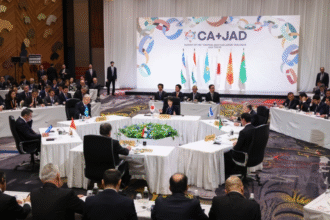
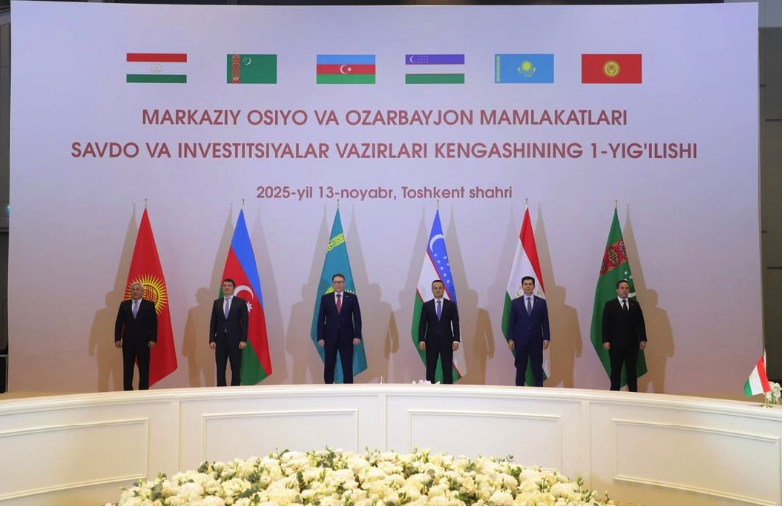
At a recent ministerial meeting in Tashkent, officials emphasized that the success of this project relies on more than just a label: it will require modernized trade procedures, digital platforms, and a shared vision for regional production. Uzbekistan’s Minister of Investments, Industry, and Trade highlighted the importance of harmonizing customs procedures, recognizing cross-border permits, and creating a digital catalog to connect producers directly with markets.
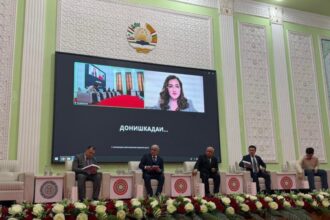
Tajikistan’s economic development minister pointed to successful tech startups operating across borders as proof that Central Asia can leverage digital innovation to facilitate trade and investment. Similarly, Kazakhstan’s trade minister framed the initiative as a shift from a traditional “buy-and-sell” approach to a more integrated “invest-produce-sell” model, aiming to build long-term regional value chains rather than simply trading finished goods.
Turkmenistan confirmed its support for digitalization and simplification of trade procedures, while Kyrgyzstan stressed that joint decision-making platforms like this meeting are vital to ensuring that economic growth benefits citizens across the region. Azerbaijan reported a sharp increase in trade with Central Asian partners over the past year and called for expanded infrastructure and logistics hubs to sustain growth.
Analysts note that the “Made in Central Asia” brand could do more than increase trade figures. By unifying standards and boosting the visibility of regional products, it may also enhance the competitiveness of Central Asian goods on the global market. The 2026 Central Asia–Azerbaijan Investment Forum in Samarkand is expected to formally introduce the brand internationally, positioning the region as a more cohesive economic bloc.
The initiative reflects a broader trend: Central Asia is seeking to move beyond fragmented trade relationships toward coordinated economic development, combining tradition with technology and strategic investments to unlock the region’s full potential.