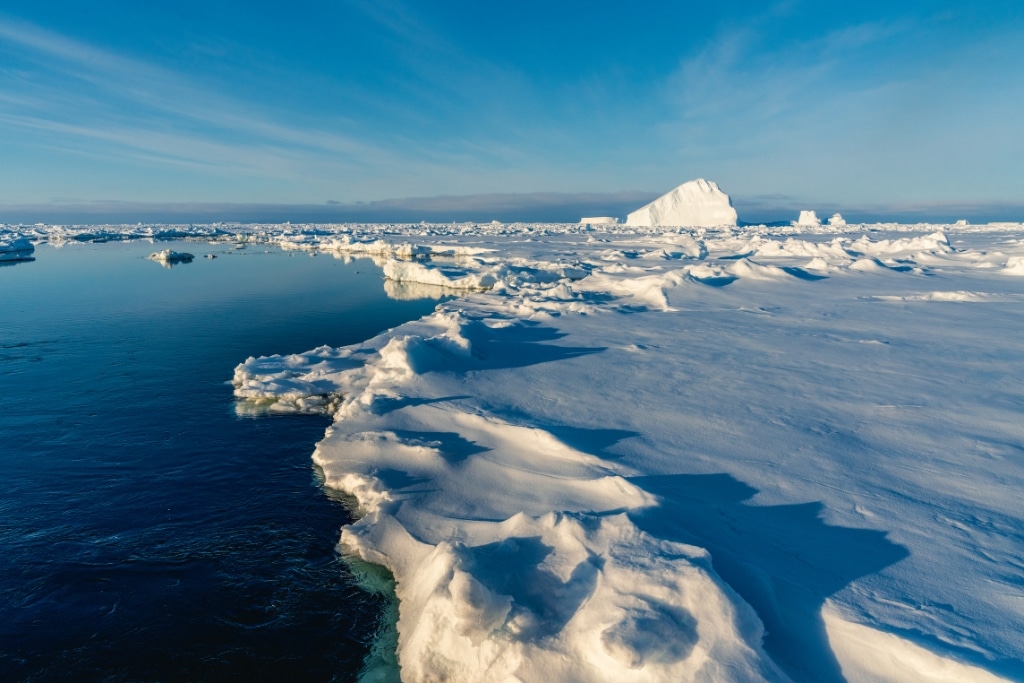

Climate change is reshaping the Arctic, creating new opportunities for cooperation and
strategic considerations for the international community.
The Arctic is undergoing rapid transformation due to climate change, making previously
inaccessible areas more navigable and strategically significant. Beyond its environmental
sensitivity, the region is rich in natural resources, emerging maritime routes, and growing
areas of geopolitical interest. As nations develop strategies to engage with this evolving
landscape, the Arctic is increasingly recognized as a region of both opportunity and
shared responsibility.
Economic and Strategic Significance
Melting ice has revealed access to valuable resources, including rare earth elements such as lithium, cobalt, platinum, and nickel, which are critical for renewable energy, technology, and defense industries. Year-round navigation along emerging sea routes is facilitating both commercial shipping and scientific operations, underscoring the Arctic’s growing global relevance.
Regional Engagement
Russia: Maintains the largest Arctic coastline and established infrastructure, including energy and shipping networks. The Northern Sea Route is becoming increasingly accessible, presenting opportunities for year-round navigation and trade.
China: Identifies the Arctic as an area of scientific, commercial, and strategic interest. China has increased investment in research, icebreaker capabilities, and collaborative initiatives, viewing the Arctic as part of broader global connectivity projects.
United States: Alaska provides the U.S. with a strategic presence in the Arctic. American priorities include maritime security, environmental protection, and sustainable resource development.
European States: Denmark, Norway, Sweden, Finland, and Iceland participate in Arctic governance primarily through the Arctic Council, a multilateral forum that promotes dialogue, scientific collaboration, and sustainable management of resources.
Opportunities for Collaboration
Despite strategic competition, the Arctic offers opportunities for international cooperation:
- Coordinated search and rescue operations
- Environmental monitoring and protection
- Sustainable resource development
- Scientific research and data sharing
These initiatives provide a framework for trust-building and constructive engagement among Arctic and non-Arctic states.
Challenges and Outlook
- Overlapping territorial claims and jurisdictional questions
- Expanding commercial and maritime activity
- Balancing economic interests with ecological preservation
The Arctic will remain an area of strategic importance, requiring careful management, multilateral coordination, and responsible stewardship. Ensuring that development proceeds sustainably while maintaining regional security will be a key focus for the international community.
Policy Takeaways
- Strengthen multilateral frameworks, such as the Arctic Council, to enhance dialogue and cooperation.
- Promote joint scientific, environmental, and safety initiatives to build trust among states.
- Encourage sustainable economic and infrastructure development while protecting sensitive ecosystems.
- Monitor evolving maritime and commercial activities to anticipate potential areas for collaboration or risk.